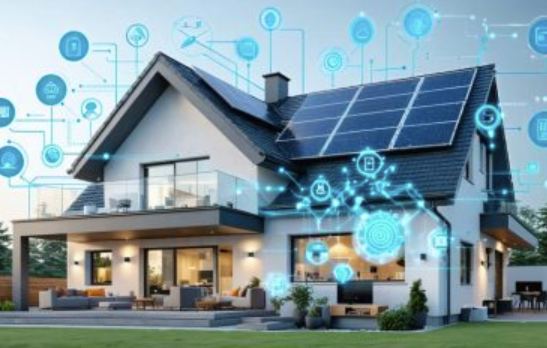
The integration of smart energy systems with IoT technologies is reshaping the landscape of energy management. This synergy facilitates real-time monitoring and data analytics, enabling consumers to adjust their energy consumption based on dynamic pricing models. As users become more engaged in their energy usage, the implications for efficiency and sustainability are significant. However, the full impact of these developments on energy markets and consumer behavior remains to be explored.
The Role of Smart Meters in Energy Efficiency
As energy consumption continues to rise, smart meters have emerged as crucial instruments in enhancing energy efficiency.
This advanced smart meter technology enables precise energy consumption analysis, allowing users to monitor and optimize usage patterns.
How Does IoT Enhance Real-Time Energy Monitoring?
Smart meters represent a significant advancement in energy consumption management, serving as a foundational element for the integration of Internet of Things (IoT) technologies.
By facilitating real-time data transmission, these devices enable comprehensive data analytics that monitor energy consumption patterns.
This immediate feedback empowers users to optimize energy usage, enhancing accountability and fostering informed decisions that promote sustainable practices in energy management.
See also: Smart Energy Systems and IoT Integration
Benefits of Integrating Smart Energy Systems
Integrating smart energy systems offers numerous advantages that extend beyond mere energy efficiency.
These systems optimize renewable energy utilization, enabling a seamless transition towards sustainable sources. Furthermore, they enhance demand response capabilities, allowing consumers to adjust usage based on real-time pricing and availability, ultimately reducing peak loads.
This integration fosters economic resilience and empowers individuals to play an active role in energy management.
Future Trends in Smart Energy and IoT Collaboration
While the landscape of energy management is evolving rapidly, the collaboration between smart energy systems and IoT technologies is poised to redefine operational frameworks.
Future trends indicate a significant focus on predictive maintenance and demand response mechanisms, optimizing resource allocation and enhancing system reliability.
This integration will empower consumers and utilities alike, fostering a more resilient and responsive energy ecosystem that prioritizes efficiency and sustainability.
Conclusion
In conclusion, while some may argue that the initial investment in smart energy systems and IoT technology is prohibitive, the long-term benefits significantly outweigh these costs. Enhanced real-time monitoring, improved demand response capabilities, and increased consumer engagement lead to substantial energy savings and environmental benefits. As the integration of these systems continues to evolve, it becomes clear that the transition toward a smarter, more sustainable energy landscape is not only feasible but imperative for future resilience.