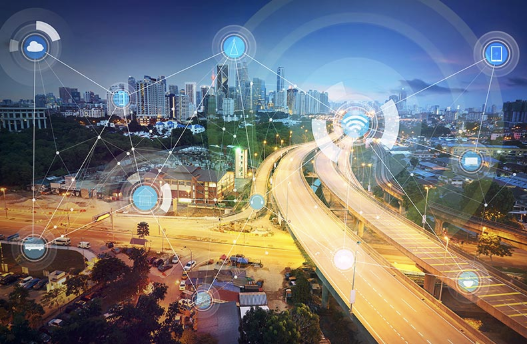
Smart energy systems are revolutionizing energy management through the integration of Internet of Things (IoT) technologies. These systems utilize sensors and data analytics for real-time monitoring, optimizing resource allocation and improving energy efficiency. However, as these innovations unfold, significant challenges related to data security and interoperability arise. Understanding these complexities is essential for harnessing the full potential of smart energy solutions. What implications do these challenges hold for the future of energy management?
Understanding Smart Energy Systems and Their Advantages
As the global demand for energy continues to rise, understanding smart energy systems becomes increasingly essential for optimizing resource use and enhancing sustainability.
These systems leverage advanced technologies to improve energy efficiency and facilitate renewable integration.
The Role of IoT in Enhancing Energy Management
Smart energy systems are increasingly enhanced by the integration of the Internet of Things (IoT), which plays a pivotal role in refining energy management processes.
IoT sensors enable real-time monitoring and data analytics, facilitating energy optimization and predictive maintenance.
This innovation fosters user engagement and demand response, ultimately improving grid efficiency and creating a more responsive, sustainable energy landscape.
Overcoming Challenges in Smart Energy and IoT Integration
While the integration of IoT within smart energy systems presents substantial opportunities, it also introduces a range of challenges that must be addressed to ensure successful implementation.
Key obstacles include ensuring data security to protect sensitive user information and establishing interoperability standards that facilitate seamless communication among diverse devices.
Overcoming these hurdles is critical for maximizing the potential of smart energy innovations and enhancing user autonomy.
See also: rodgymcom
Future Trends in Smart Energy Systems and IoT Collaboration
With the rapid advancements in technology and the growing emphasis on sustainability, future trends in the collaboration between smart energy systems and IoT are poised to revolutionize energy management.
Enhanced renewable integration will enable seamless energy flows, while predictive analytics will optimize consumption patterns.
This synergy fosters greater efficiency and empowers consumers, ultimately leading to a more sustainable and autonomous energy landscape.
Conclusion
In conclusion, the convergence of smart energy systems and IoT integration paints a vivid picture of a future where energy flows seamlessly like a well-orchestrated symphony. As sensors dance to the rhythm of real-time data, they illuminate pathways toward efficiency and sustainability. However, the shadows of data security and interoperability loom large, requiring innovative solutions to ensure harmony. Ultimately, this transformative landscape holds the promise of empowering consumers and nurturing a greener tomorrow, akin to sunlight breaking through the clouds.